Join our facebook community!

Photography in Egypt: A Practical Guide

Many travellers ask, “Is photography allowed in Egypt?” because the rules have changed in recent years. Photography in Egypt now feels more relaxed than before, but some important restrictions remain. Understanding these rules helps you explore confidently while respecting local laws and cultural expectations. This guide explains what you can photograph, where you need to be careful, and what is still off limits, using verified and up-to-date information.

Photography Laws and Recent Changes

Recent updates made personal photography easier across Egypt. You can now take photos in public places with phones and everyday cameras without asking for a permit. This change appears clearly in the updated laws. It applies to non-commercial photography in streets, markets, and other public areas.

Some limits still apply. You cannot photograph children. You cannot photograph adults without consent. You also cannot photograph military buildings, police areas, bridges, dams, or any location linked to national security. These restrictions remain clearly listed in the UK Foreign Travel Advice.

Museums, tombs, and archaeological sites follow their own rules. Some allow personal photography, some require a paid photo ticket, and some forbid photography in certain rooms. The Ministry of Tourism and Antiquities notes that these sites may set their own guidelines in its official announcements.


SUMMARY: Public photography is widely allowed, but children, private individuals, military sites, and some heritage rooms remain restricted.

Where Photography Is Generally Allowed

Most outdoor spaces in Egypt welcome noncommercial photography. Travellers can take pictures in historic squares, open markets, waterfronts, and exterior areas of major monuments. Many iconic sites, including the Pyramids, Luxor Temple, and Karnak, allow photos from outside viewpoints without issue.

Interior areas often have different rules. Some museum galleries protect sensitive artefacts by limiting photography or by requiring a photo ticket. Others ban photography in specific rooms. Signs at entrances usually explain the rules, and staff can clarify any questions.


SUMMARY:
Outdoor photography is widely permitted, while interior areas follow site-specific rules.

Photography Rules Inside Museums and Tombs

Many museums allow photography of general exhibits when visitors buy a photo ticket. 

Photography in Egypt: A Practical Guide

Some halls, particularly those with very delicate items, forbid photography completely. Mummy rooms and certain tomb chambers often have strict no photography rules.

Flash is banned in almost all indoor heritage spaces because it can damage ancient colours and surfaces. Tripods are usually not allowed, as they block narrow passageways and create safety issues for other visitors.

Rules can differ between sites and even between rooms within the same site. Checking signs and listening to staff is the best way to stay within the rules.


SUMMARY: Many museums require photo tickets, ban flash, and restrict photography in sensitive rooms.

Respecting People While Taking Photos

Respect plays a big part in photography in Egypt, especially when people are involved. Always ask before you take a person’s photo. Most people appreciate being asked first and will tell you whether they feel comfortable.

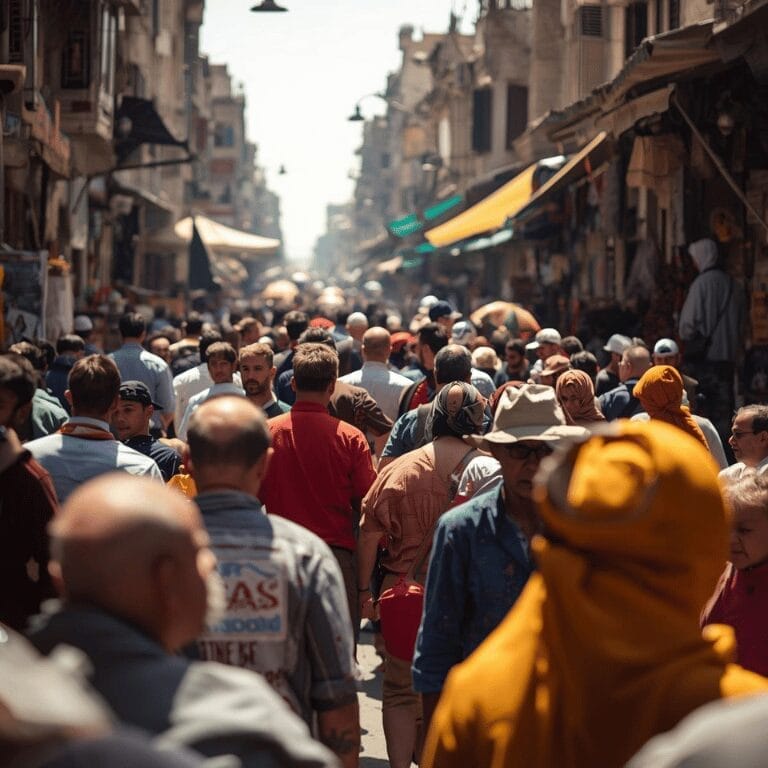
Avoid close photos of people during prayer, grief, or private moments. When taking street scenes, wider shots that do not single out individuals are more comfortable for many locals.


SUMMARY: Ask permission before photographing people and avoid capturing private or sensitive moments.

Equipment Restrictions to Keep in Mind

Phones and compact cameras are allowed across Egypt for personal use. Larger professional style equipment often needs approval. This can include drones, long telephoto lenses, stabilisers, and tripods. The updated laws note that gear which looks like professional filming equipment may require permits.

Using lighter gear also makes practical sense. Many historic sites have uneven ground, steps, or tight corridors where large equipment becomes awkward to manage.


SUMMARY: Phones and small cameras are fine, while drones and large gear often need approval

Photography in Egypt: A Practical Guide

Practical Tips for Photography in Egypt

Begin each visit by checking signs at the entrance. Policies differ between sites, so local information always matters. Turn off flash before entering tombs or museum halls. Keep your camera secure in busy markets, stations, and crowded streets.

If you wish to photograph vendors, craftspeople, or guides, ask politely first. A short friendly request often leads to a better interaction and sometimes even a smile or conversation.

Travellers who book with Timeless Tours benefit from clear guidance at each stop. Our team helps explain site specific rules, so you can focus on enjoying your time and capturing thoughtful images.


SUMMARY: heck signs, keep flash off, secure your gear, and ask before photographing people at work.

Planning Your Photography Experience

Understanding the rules for photography in Egypt helps you travel with confidence. Public spaces usually welcome photos, while museums and tombs protect fragile artefacts with careful limits. Respecting privacy, seeking consent, and following posted signs keeps your experience smooth and respectful.

Timeless Tours designs itineraries that include many of Egypt’s most photogenic locations, along with local insight that makes every visit clearer and more comfortable. With the right knowledge and approach, photography in Egypt becomes a rewarding part of discovering the country’s history, culture, and daily life.

Explore Our Newest Travel Blogs & Tips

Dive into the diverse world of Timeless Tours through our blog, where we explore global destinations from ancient ruins to modern cities.