Turkey has a rich heritage that shapes daily life. Following these Turkey travel tips improves your experience, ensures respectful engagement, and avoids misunderstandings. Travellers who pay attention to etiquette enjoy deeper interactions with local communities.
Hospitality plays a central role in Turkish culture. People value politeness, patience, and genuine interest in traditions. Observing these norms helps visitors connect with locals naturally and encourages more meaningful experiences during their stay.
Even simple daily interactions, such as entering shops, taking taxis, or ordering food, are influenced by cultural expectations. Knowing these details allows visitors to navigate life confidently and respectfully.
Dressing Appropriately
Clothing in Turkey reflects cultural awareness. Urban areas like Istanbul and Ankara often have modern fashion, yet modest attire is important in religious sites and smaller towns. Covering shoulders and knees is recommended for all travellers.
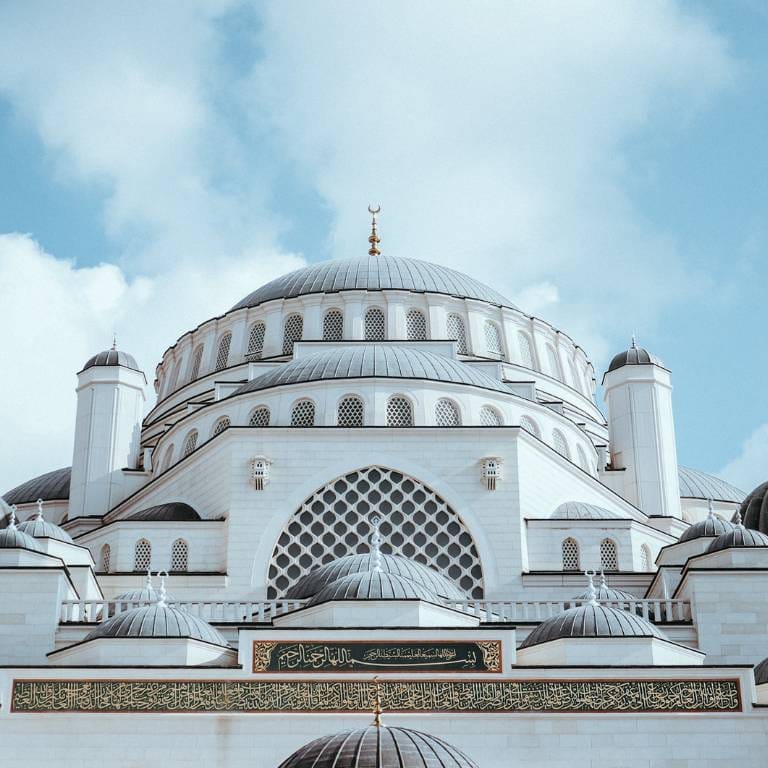
When visiting mosques, remove shoes and women should carry a scarf to cover their hair. Avoid tight or revealing clothing. These steps allow access to historical and religious sites without causing offence. Practical footwear is also advised, as many streets and sites have uneven surfaces.
This Turkey travel tip ensures that visitors are prepared for cultural norms at religious and historical locations.
SUMMARY: Dress modestly, prepare for visits to mosques, and choose comfortable layers to adapt to changing temperatures.
Greetings and Social Interaction
Polite greetings are valued. A simple “Merhaba” with a smile works in most situations.
Handshakes are customary in formal meetings, while close friends may exchange cheek kisses.
Using titles with elders shows respect unless invited to speak informally. Visitors may be offered tea or coffee in homes or shops. Accepting politely, even briefly, demonstrates appreciation. Declining abruptly can unintentionally offend.
Social interactions also favour positive topics. Avoid political discussions unless prompted, and instead focus on local culture, food, or history, which encourages friendly conversation.
SUMMARY: Simple greetings, polite gestures, and friendly topics help travellers create positive and respectful interactions in Turkey.
Food and Dining Etiquette
Dining is a central social activity in Turkey. Wait for hosts to begin eating, and use the right hand to pass or receive food. Meals are a chance to engage with culture, not just eat.
Turkish cuisine is regionally diverse. The southeast is known for kebabs, while coastal regions serve seafood and mezes. When dining in homes, small gifts like sweets are polite. Leaving a modest portion on the plate signals satisfaction, while finishing everything may indicate hunger.
Restaurants also follow etiquette. Tipping at 5–10% is standard, and seating may follow a hierarchy based on age or social standing. Observing these practices enriches the dining experience.
SUMMARY: Meals often begin after the host, include regional dishes, and follow simple dining manners and tipping customs.
Religious Awareness
Islam influences daily life in Turkey. During prayer calls, lower your voice near mosques. Non-Muslim visitors are welcome outside prayer times if they dress modestly and behave quietly.
Public displays of affection are acceptable in cities but should be discreet in rural areas. Respecting prayer routines and local schedules ensures a smoother visit and demonstrates cultural awareness.
Learning basic phrases like “Merhaba” (hello) and “Teşekkür ederim” (thank you) shows respect and encourages positive interactions, especially near religious sites.
SUMMARY: Daily life in Turkey reflects Islamic practice, including prayer calls, modest dress expectations, and more reserved behaviour in some areas.
Shopping and Markets
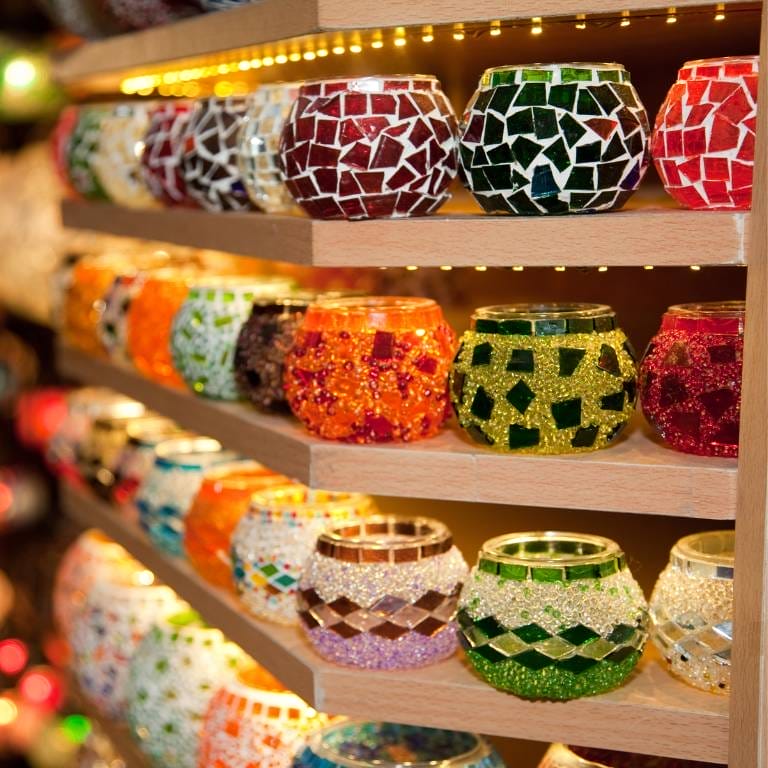
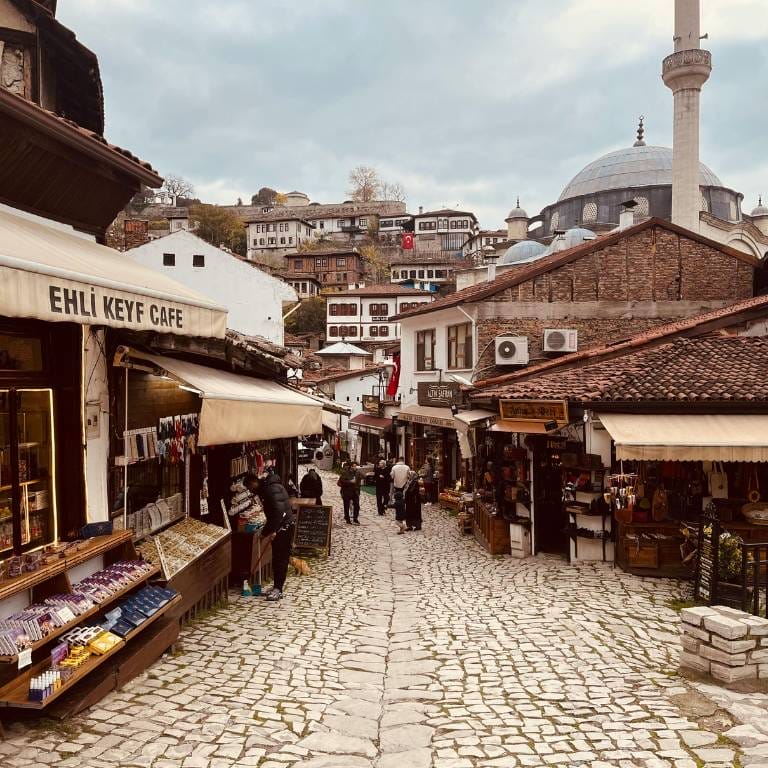
Markets are central to Turkish life. Bargaining is traditional for carpets, spices, textiles and souvenirs. Approach negotiations politely, start with a fair offer, and aim for a respectful agreement.
Fixed-price shops do not require bargaining. Asking questions about the origin or production of items demonstrates interest in culture and allows travellers to engage more meaningfully.
When visiting bazaars, avoid touching products without permission and show appreciation for craftsmanship. Observing these customs helps travellers gain insight into local life.
SUMMARY: Bazaars usually allow polite bargaining, while fixed-price shops do not, and handling goods depends on vendor permission.
Gestures and Communication
Certain gestures carry specific meanings. Pointing with a single finger is impolite; use an open hand. Avoid showing the soles of your feet. Always ask before photographing people, particularly in rural or religious areas.
Using basic Turkish phrases such as “Lütfen” (please) and “Teşekkür ederim” (thank you) encourages friendly interactions. Awareness of body language, tone of voice, and respectful behaviour strengthens relationships with locals.
SUMMARY: Common etiquette avoids pointing, showing feet, or photographing people without asking, with basic Turkish phrases used often.
Travel Logistics
Even with guided tours, understanding local practices improves your experience. Queue politely, offer seats to older people, and verify transport credentials. Many small shops prefer cash.
Public holidays and cultural events may affect opening hours or traffic. Checking local schedules in advance helps plan your visit. Dressing appropriately for the weather is essential: lightweight clothing for hot days, layers for cooler evenings, and a scarf for religious sites or sun protection.
SUMMARY: Local transport, small shops, and holiday schedules often require cash, planning, and weather-appropriate clothing.
Safety and Situational Awareness
Turkey is generally safe, but travellers should remain alert in crowded areas and keep personal belongings secure. Avoid isolated areas at night and use authorised taxis.
Observing local norms and being aware of surroundings improves both safety and enjoyment. These simple precautions allow visitors to focus on cultural sites, cuisine, and experiences without concern.
SUMMARY: Crowded areas, night travel, and personal belongings need simple precautions like awareness and licensed transport.
Making the Most of Your Trip
Applying these Turkey travel tips ensures travellers experience the country fully and respectfully. Visitors who understand customs can engage meaningfully with locals, enjoy meals and markets, and navigate cultural sites with confidence.
At Timeless Tours, we provide context for local etiquette and traditions. This support helps visitors travel safely, understand the culture, and get the most from their journey. Using these Turkey travel tips prepares travellers for immersive and rewarding experiences.
Travellers who observe local customs, pay attention to detail, and act with respect will leave Turkey with meaningful memories.
Explore Our Newest Travel Blogs & Tips
Dive into the diverse world of Timeless Tours through our blog, where we explore global destinations from ancient ruins to modern cities.