Morocco often looks easy to piece together from a distance.
You picture Marrakech, a riad courtyard, a desert camp, perhaps Fes, and a route that flows neatly between them. The images feel calm. The sequence can seem obvious. Yet many travellers only understand the real shape of the journey once they are moving through it.
That is not because Morocco feels difficult. It is because the country has its own rhythm. Distances carry weight. Cities ask for energy. Road days do more than join one place to another. Then, just as quickly, a quiet riad or desert evening slows everything down again.
This is why a realistic Morocco itinerary matters. It gives the journey its proper shape before it begins. It also helps travellers expect the right things. Morocco rarely feels best as a quick run of highlights. It feels richer when there is room for contrast, movement and pause.
That pace is part of the experience itself. One day may feel busy, textured and full of sound. The next may open into long stretches of road, changing light and a slower evening. When travellers expect that shift, the journey usually feels more natural. It also becomes easier to enjoy each place for what it is.
Morocco changes pace from one setting to the next
One of the first surprises in Morocco is how quickly the rhythm changes.
Marrakech can feel immediate. The medina pulls your attention in several directions at once. Narrow lanes, passing voices, market stalls and sudden pockets of stillness all sit close together. A short walk may take longer than expected because the city keeps interrupting your sense of direction.
Fes often feels denser again. You may move more slowly there, even when the streets feel busy. You pause to reorient yourself. You notice details that alter your pace without warning. That does not mean the city is difficult; it means that it asks for your attention in a deeper way.
Then the rhythm changes as soon as you leave the city behind. Roads begin to stretch out. Villages appear and fall away. Hills, plains and changing light start to shape the day differently. What looked close on a map may feel broader on the ground. That shift can catch first-time visitors off guard.
This is where a realistic Morocco itinerary becomes useful in a very practical sense. It prepares you for a journey that expands and contracts. It helps you see that Morocco is not only about the places where you stop. It is also about how the country unfolds between those stops.
Once that becomes clear, the pace makes more sense. A city morning can feel full and layered, whereas a transfer afternoon may feel quieter and more spacious. Neither part is less important; they simply ask something different of you.
Cities reward curiosity, but they also use energy
Morocco’s cities often stay in the memory longest. They are beautiful, textured and full of character. At the same time, they can be mentally demanding in ways travellers do not always expect.
A medina is not a place you pass through absent-mindedly. You stay alert, you follow the turn of the lane, you notice landmarks, sound and movement. Even when you know the route, the city still asks you to remain present. That is part of what makes it so vivid.
It is also why city days need breathing room around them. A full day in Marrakech can be deeply rewarding, but it helps when the day has shape. The same applies in Fes. If every hour is tightly packed, the experience can begin to feel heavy. If there is space around the day, the city often gives more back.
This does not always mean seeing less. Often, it means pacing the same place more wisely. A slower breakfast before heading out can change the whole morning. Time to reset before dinner can change the evening. A little space between one layer of the city and the next can keep the experience sharp instead of tiring.
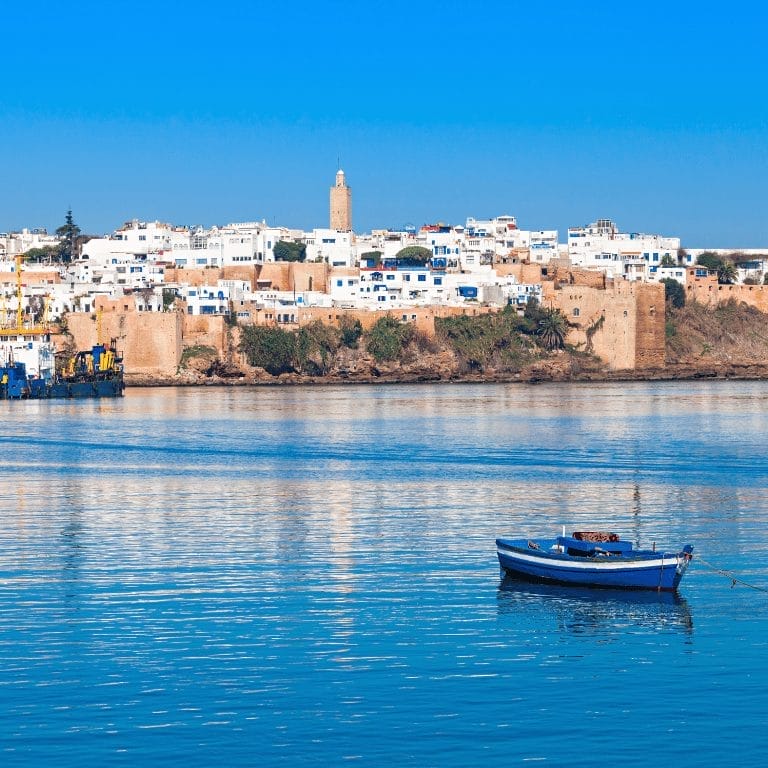
Travellers often assume they need to keep moving to make the journey worthwhile. Morocco tends to prove the opposite. Some of its most memorable moments arrive when you are not rushing. A turn into a quieter lane, a pause above a courtyard, or a calm rooftop view at dusk can stay with you as strongly as any major site.
That is why a realistic Morocco itinerary should never treat cities as boxes to tick. They need enough time to be felt properly. They also need enough space for you to stay receptive.
Riads help the journey breathe
People often speak about riads for their beauty, and rightly so. Their tiled courtyards, carved details and rooftop terraces leave a strong impression. Yet their real role in the journey runs deeper than appearance.
A riad changes the pace of the day.
You move through a busy street, step inside, and the atmosphere shifts almost immediately. Sound softens. Light settles. The day feels held in a different way. Even a short return in the afternoon can restore your energy more than you expected.
That matters because Morocco can feel highly immersive. Cities draw you outward; they keep your senses active. A riad offers the opposite movement; it brings you inward again. That contrast gives the journey balance.
This is one reason that accommodation matters so much in Morocco. Where you stay affects more than comfort at night. It changes how you recover, reflect and re-enter the city the next day. A quiet courtyard breakfast can steady the morning. A rooftop pause before dinner can make the evening feel calmer and more open.
These moments may sound small before departure, but on the ground, they shape the entire trip. They stop the journey from feeling like one continuous stream of movement by creating intervals, and give your attention a chance to settle.
A realistic Morocco itinerary should leave room for that quieter rhythm. It should not assume that every meaningful part of the journey happens out on the street. In Morocco, some of the experience comes from stepping back, not pushing on.

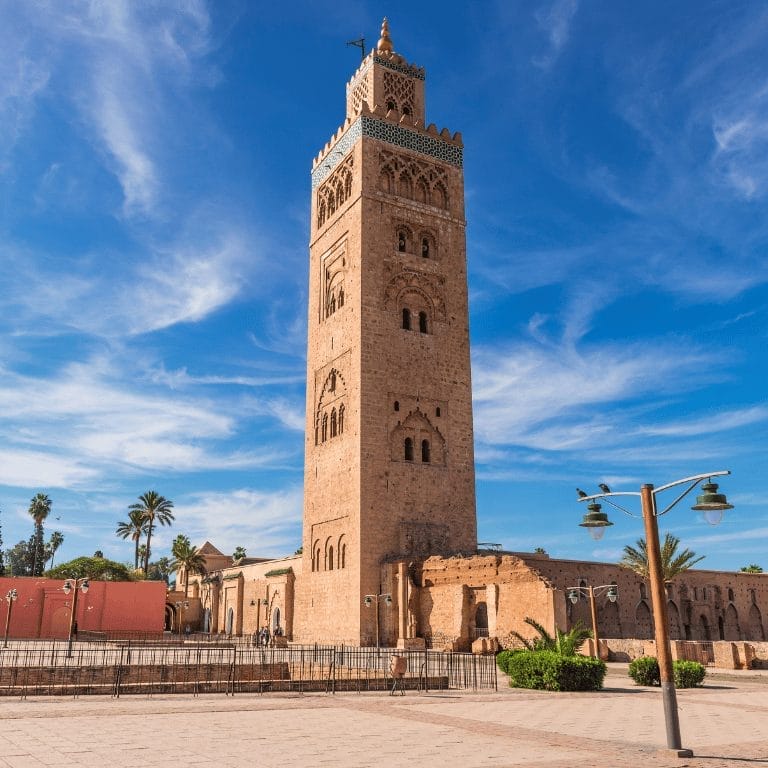
Road days carry more of Morocco than many travellers expect
This is often the part people misjudge most.
When you first map out a route, the road can seem like a practical detail. You focus on the cities, the riads and the desert camp. Then the journey begins, and the road starts to do far more than connect them.
Transfer days reveal scale; they show how the country changes. The built environment loosens, villages come and go, and light shifts across open land. Mountain stretches shape time differently from the medina. The route begins to explain Morocco in its own quiet way.
That does not mean road days feel effortless. They still ask for patience, may be long and can affect how much energy you bring into the next destination. This is why overpacking the route rarely helps. A plan that looks exciting on paper can feel compressed once it is lived.
Restraint often creates a better journey. Fewer overnight stops can leave more room for each place to settle, so you arrive less hurried and notice more. The route begins to feel shaped rather than crowded.
This is especially important on the way to the desert. The desert works partly because the journey towards it changes the mood so gradually – settlements thin out, the horizon begins to widen, and light does more of the storytelling. By the time you arrive, the shift has already started.
A realistic Morocco itinerary allows the road to matter. It does not treat movement as lost time. It understands that some of the country’s clearest contrasts appear between destinations, not only within them.
The desert changes the emotional pace of the journey
The desert often holds the strongest pull before the trip begins. Many travellers imagine it first; yet the desert usually feels most powerful when it arrives at the right moment.
Part of its impact comes from contrast. After the density of the cities, the openness feels sharper. After days shaped by noise, detail and motion, the quiet lands differently. The desert does not only bring a new landscape; it changes the emotional tone of the journey.
Evenings in camp often make that especially clear. Sunset gathers everyone’s attention without much effort. Dinner feels anchored in place. The night sky slows the pace even further. There may be fewer moving parts, but the experience often feels fuller because of that.
This is where many travellers begin to understand Morocco more deeply. The country is not trying to impress in one single register. It moves between intimacy and scale, activity and stillness, enclosure and openness. Each part sharpens the next.
That is why the desert should feel like a natural turning point, not a rushed addition. When it sits well within the route, the whole journey gains shape – cities feel more distinct in hindsight, riads feel more restorative, and the road itself feels purposeful.
In the end, a realistic Morocco itinerary does not make the journey smaller. It makes the journey clearer. It gives each place enough room to remain itself. It allows the traveller to move with the country instead of against it.
Morocco rarely rewards speed for its own sake – it rewards rhythm. The journeys that stay with people usually understand when to keep moving, when to slow down and when to let the place speak for itself. That is often when the experience feels most seamless, most grounded and most memorable.
Explore Our Newest Travel Blogs & Tips


Madaba: What Travellers Should Know About Jordan’s Mosaic City
Home Blog Madaba: What Travellers Should Know About Jordan’s Mosaic...

Why Did the Colossi of Memnon “Sing” at Sunrise?
Home Blog Why Did the Colossi of Memnon “Sing” at...

Pompey’s Pillar in Alexandria: Why the Name Is Wrong
Home Blog Pompey’s Pillar in Alexandria: Why the Name Is...