Packing for Egypt often sounds harder than it is.
Many travellers expect the answer to be complicated. Egypt brings together ancient sites, busy cities, river travel and religious spaces. Each part of the journey feels slightly different. So it makes sense to wonder what will feel comfortable, appropriate and easy to wear.
The good news is that you do not need a special travel wardrobe. You also do not need to dress in a way that feels unlike you. In most cases, what to wear in Egypt comes down to a few practical choices. Light fabrics help in the heat. Modest shapes feel appropriate in most settings. Layers make the day easier when temperatures shift.
That approach matters because Egypt is not a destination you experience from one place. You move through it. A day might begin at a temple, continue through a city, and end on a boat deck at sunset. Clothing needs to work across that rhythm. It should support the journey quietly, not demand attention.
For most travellers, the aim is simple. Dress with comfort, respect and ease in mind. Once you understand how Egypt feels day to day, the packing question becomes much clearer.
Begin with the climate, then think about the setting
The first thing to understand is the climate. Egypt is warm for much of the year, and the sun can feel strong early in the day in the spring and summer months. Even in cooler months, daylight hours can feel bright and dry. That is why breathable clothing usually works best.
Loose cotton, linen and light blends tend to feel comfortable across long days. They allow air to move and sit better against the skin in dry heat. Heavy fabrics can feel tiring quite quickly, especially when you spend hours outdoors.
Coverage also matters, though it does not need to feel restrictive. In Egypt, clothing that covers the shoulders and knees often feels more comfortable in public spaces. It also protects you from the sun. That is one reason many travellers find themselves reaching for light trousers, longer skirts, easy dresses and tops with sleeves.
A light layer is worth carrying as well. Early starts can feel cool, especially in winter. Evenings on the Nile can also bring a breeze. A shirt, soft jacket or light knit often ends up being one of the most useful things you pack.
This is a good place to clear up a common worry. Dressing thoughtfully in Egypt does not mean dressing formally. It simply means choosing clothes that feel practical and respectful in a country with strong sun, active days and cultural depth. That is very different from trying to follow a fixed dress code.
What works well in Cairo, Luxor and everyday touring
Cities and touring days usually shape most of your wardrobe choices. You may start early, walk more than expected and move between different environments in one day. Museums, streets, cafés, hotel lobbies and open sites all sit close together in the same itinerary.
That is why simple outfits usually work best. Lightweight trousers, relaxed dresses, breathable tops and reliable walking shoes cover most situations well. You want clothes that feel good after several hours, not just when you first put them on.
Shoes matter more than many people expect. Egypt often involves uneven ground, dusty paths and long stretches on foot. This is especially true around temple sites and older streets. Comfortable closed shoes are often the easiest choice. Supportive sandals can work too, but very flat or delicate pairs tend to feel less useful over time.
Shorts are one of the most common packing questions. In resort settings, shorts usually feel completely fine. In cities and cultural areas, many travellers prefer longer options. Knee-length pieces or loose cropped styles often feel more comfortable than very short cuts. That choice tends to make day-to-day touring easier.
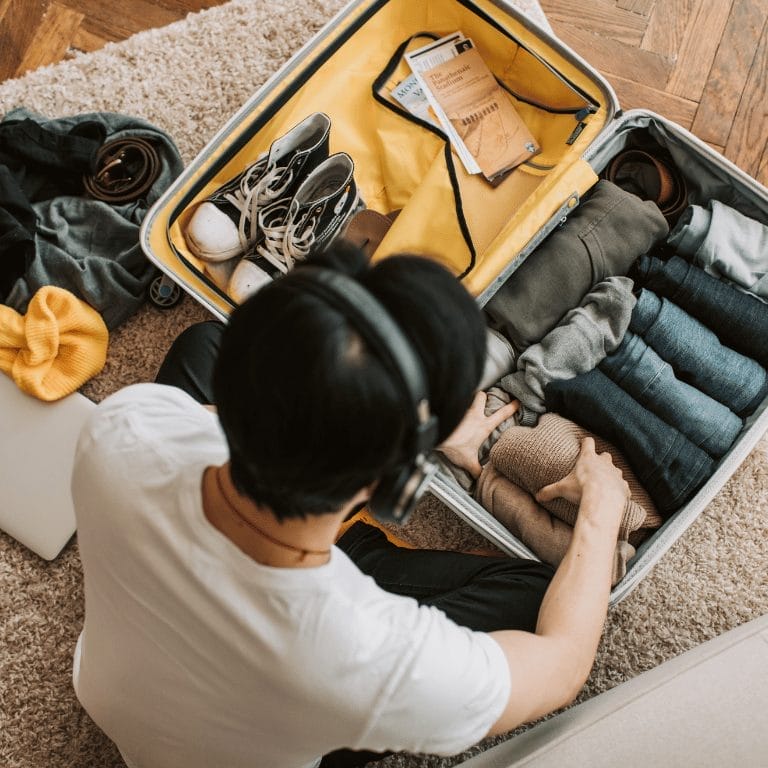
For men, light trousers, simple shirts and smart casual basics usually work well throughout the journey. For women, loose trousers, midi skirts, maxi dresses and tops with shoulder coverage are often the easiest options. A scarf is also worth packing. It takes up little space and proves useful more often than expected. For travellers still deciding what to wear in Egypt, this kind of wardrobe usually covers most days with ease.
None of this needs to feel overplanned. The goal is not to build a perfect travel look. The goal is to wear clothes that help you move easily through the day.
Temples, mosques and historic sites need a little more thought
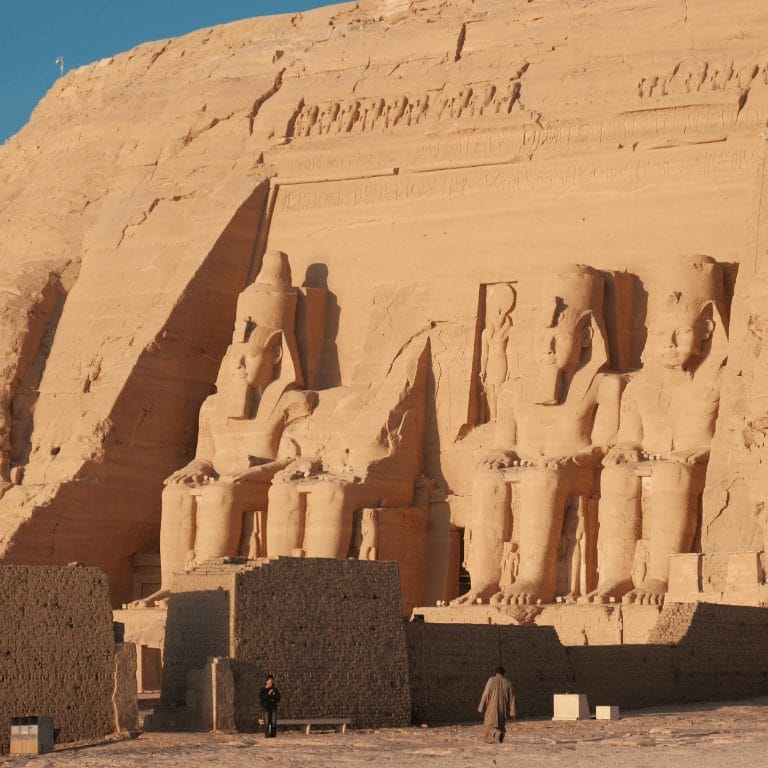
Egypt’s historic sites do not require anything elaborate, but they do reward practical choices. Many temple visits happen in open areas with little shade. You may spend hours walking through stone courtyards, climbing steps or standing in direct sun while listening to your guide. Light coverage makes a real difference in those conditions.
This is where long trousers, airy dresses and tops with sleeves tend to work especially well. They help with the heat, and they feel appropriate in places that carry real historical and cultural weight. You do not need to dress formally, but it helps to look considered.
Mosques ask for a little more care. Shoulders and knees should usually remain covered. Women may need a scarf in some active religious spaces. Shoes often come off before entry, so footwear that is easy to remove can help. Men should also avoid very casual or revealing clothing when visiting these sites.
Most travellers already own what they need for this. A long skirt, loose trousers, a light shirt and a scarf often cover the essentials. The important thing is the overall effect. Clean, simple and modest clothing tends to feel right in these settings.
That choice also changes how the experience feels. When you are dressed comfortably and appropriately, you stop thinking about yourself. Your attention shifts back to the place. That matters in Egypt. So much of the experience comes from being present in spaces shaped by history, belief and daily life. That is also why what to wear in Egypt is best understood through context, not rules.
Nile cruise days feel different, but the same principles still apply
A Nile cruise changes the rhythm of the journey. The days still include early starts and guided visits, but the pace softens once you return on board. That often affects what feels good to wear.
For daytime excursions, the usual rules still hold. Choose breathable fabrics, sensible shoes and light coverage. Mornings may begin cool, especially outside summer, so one extra layer is useful. By late morning, you may not need it.
On board, clothing can feel more relaxed. Easy dresses, linen shirts, soft trousers and comfortable sandals suit the setting well. Evenings on the Nile rarely require formal wear, though many travellers like to bring one or two slightly polished options for dinner. That usually means neat rather than dressy.
This part of the journey often feels calmer than travellers expect. After a full morning at a temple, it is a relief to change into something light and comfortable for lunch or an hour on deck. Clothing should support that shift in pace. It should feel easy, not overthought.
A light knit or overshirt helps here too. Once the sun drops, the breeze can pick up on the river. That is especially true in the cooler months. It is a small thing, but it can make the evening much more comfortable.
Pack for the pace of the journey, not for every possibility
The best packing decisions usually come from understanding the shape of the trip. Egypt is not a place that asks for constant outfit changes. It asks for practical clothes that can move with you through different settings.
A few reliable pieces will usually do more than an overpacked suitcase. Two or three pairs of breathable trousers, several tops with sleeve coverage, one or two dresses or skirts, a light layer and comfortable walking shoes will suit most journeys. Add a scarf, sun hat and sunglasses, and you have covered the essentials.
It also helps to choose pieces that work together. That makes mornings easier, especially on early touring days. When clothing mixes easily, you spend less time deciding what to wear and more time settling into the journey itself.
Small comforts matter too. Good socks, sun protection and fabrics that do not cling in the heat can shape the day more than travellers expect. These details sound minor before departure, but they often become the things you are happiest that you packed.
In the end, what to wear in Egypt is not really a fashion question. It is a travel question. The answer sits in the pace of the journey, the climate, and the cultural settings you move through along the way.
If you pack with comfort, modesty and flexibility in mind, you will be well prepared. That leaves more room for what Egypt does best. You can pay attention to the scale of its temples, the energy of its cities, the stillness of the Nile and the layers of history that give the journey its depth.
Explore Our Newest Travel Blogs & Tips


Madaba: What Travellers Should Know About Jordan’s Mosaic City
Home Blog Madaba: What Travellers Should Know About Jordan’s Mosaic...

Why Did the Colossi of Memnon “Sing” at Sunrise?
Home Blog Why Did the Colossi of Memnon “Sing” at...

Pompey’s Pillar in Alexandria: Why the Name Is Wrong
Home Blog Pompey’s Pillar in Alexandria: Why the Name Is...