The most common Egypt itinerary mistakes involve pacing, sequencing, and unrealistic daily expectations. Egypt rewards curiosity. It also tests planning. Many first time visitors try to fit too much into too few days. Others underestimate distances between cities. Some schedule long sightseeing days without allowing for heat or travel time. None of these decisions come from carelessness. They usually come from excitement.
However, Egypt follows its own rhythm. Understanding that rhythm prevents the most common Egypt itinerary mistakes.
Rushing Cairo
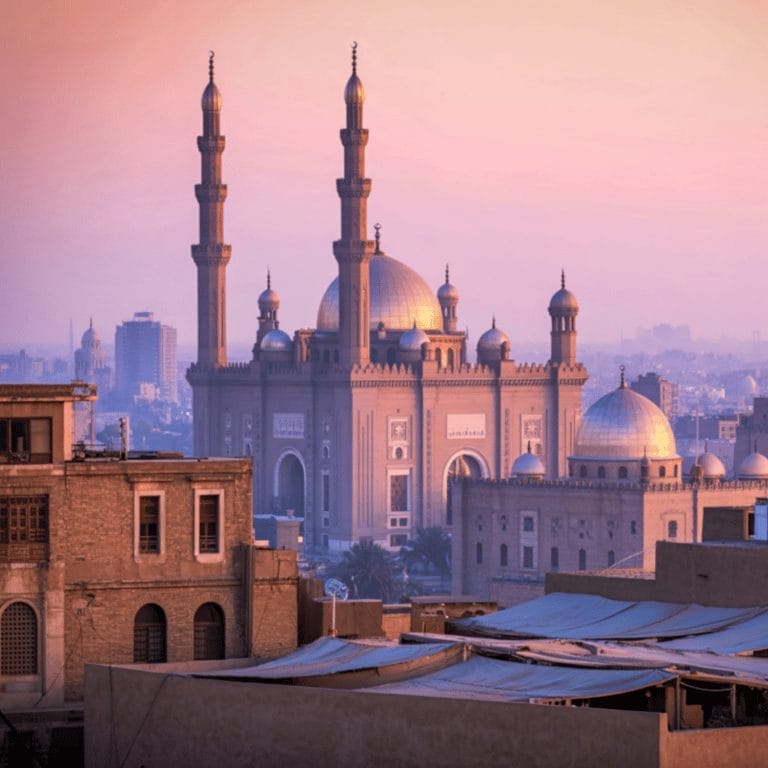
Cairo feels dense from the moment you arrive. The pyramids, the Grand Egyptian Museum, Islamic Cairo, and local neighbourhoods all compete for attention.
First time travellers often try to see everything in one day. That approach creates fatigue rather than insight.
The pyramids alone deserve time. Moving slowly allows space to absorb scale and atmosphere. Museums also require pacing; ancient artefacts can lose impact when rushed.
A balanced Cairo stay creates context for the rest of the journey. Without that foundation, Upper Egypt can feel disconnected.
Underestimating travel between cities
Egypt looks compact on a map, but in practice, moving between Cairo, Luxor and Aswan requires coordination.
Domestic flights reduce travel time significantly. However, early departures and transfers still require energy. Road travel between sites can also take longer than expected.
First time visitors sometimes schedule sightseeing immediately after major travel legs. Although that decision often leads to exhaustion by mid-trip.
Spacing key travel days carefully makes a noticeable difference. Energy management matters as much as site selection.
Skipping the Nile rhythm
The Nile cruise forms the backbone of many Egypt journeys. Yet some travellers try to compress cruise nights or treat it as simple transport.
The Nile works best as a measured experience. Sailing between Luxor and Aswan allows gradual transitions between temples and towns. Each stop builds naturally on the last.
Temple visits feel different when approached by river. Distances shorten. Transfers simplify. Early starts feel less rushed. Reducing cruise time often removes breathing space, so extending it thoughtfully creates flow across Upper Egypt.
Many Egypt itinerary mistakes stem from treating the Nile as secondary. In reality, it shapes the entire pace of the journey.
Overloading Temple Days
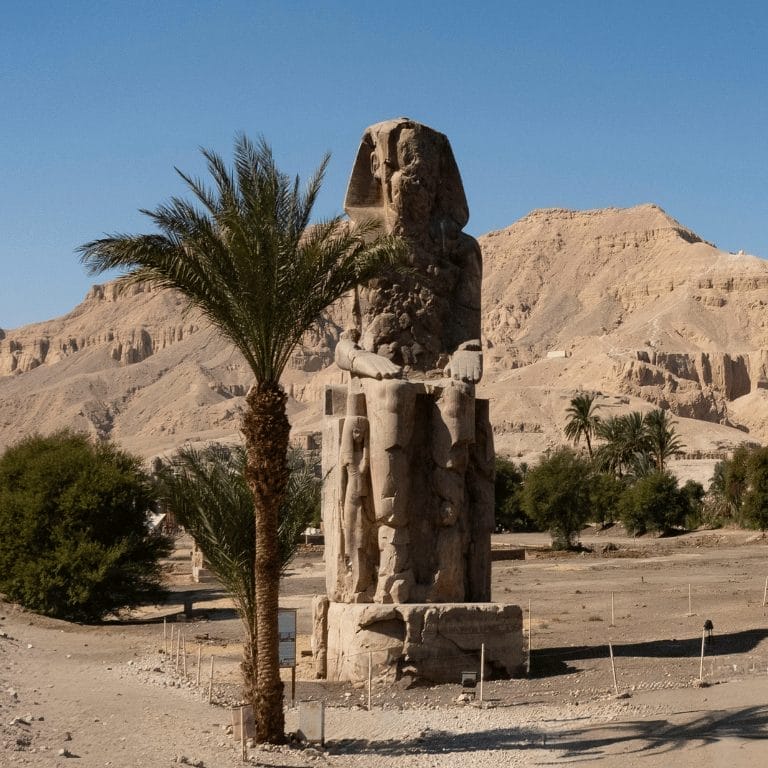
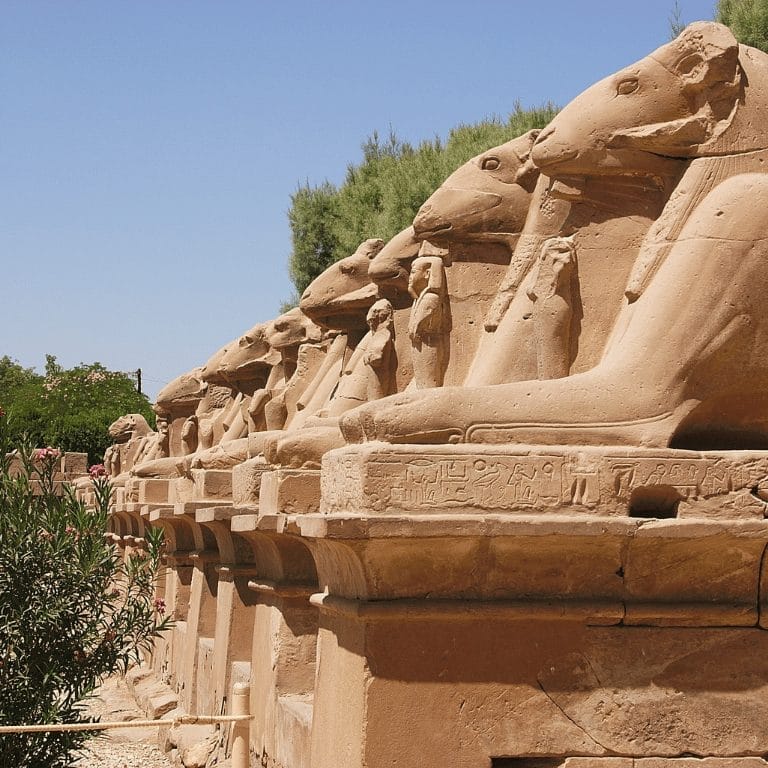
Luxor and Aswan contain some of the most significant sites in the world. Karnak, Luxor Temple, the Valley of the Kings, and Philae each demand attention. First time visitors often stack multiple major sites into a single day. The scale alone can overwhelm.
Temple visits benefit from focus. Early starts help avoid heat, and midday breaks protect your energy. Splitting major highlights across days preserves appreciation. Context also matters. Without explanation, hieroglyphics and carvings blur together. Therefore, explanations from an experienced, local guide add valuable insights, transforming stone into story and bringing temples to life.
Ignoring the Impact of Heat
Egypt’s climate shapes itinerary design. Heat affects concentration and stamina, particularly during warmer months. Scheduling outdoor sites during early mornings reduces strain, and planning indoor museums or relaxed afternoons during peak temperatures supports comfort.
Travellers sometimes underestimate this factor. They pack days tightly without adjusting for weather. That decision can impair enjoyment of the sites. Comfort does not mean slowing everything down. It means designing days intelligently.
Treating Egypt like a city-hop destination
European travel often encourages short stays and rapid movement. Egypt rewards a different mindset. Distances between major sites require intention – local culture will reveal itself gradually as you traverse between cities. Historical depth requires time.
First time travellers who try to “tick off” Egypt quickly often leave feeling rushed; but those who allow space between highlights describe the journey differently. Measured pacing builds coherence across Cairo, Luxor and Aswan.
Forgetting Recovery Time
Every journey benefits from moments of pause. Egypt proves this point clearly. Early starts, domestic flights, and long temple visits require energy. Without light afternoons or relaxed evenings, fatigue can build quickly.
Small adjustments protect the overall experience. A slower afternoon on the Nile or a relaxed dinner after travel restores balance. Several Egypt itinerary mistakes involve ambition without recovery.
Choosing Accommodation Location Poorly
Location affects daily flow more than many expect. Staying too far from key sites increases transfer time, and overlooking practical proximity can lead to unnecessary early departures.
Comfortable accommodation, placed strategically, reduces friction during your visit. Shorter transfer times mean more energy for you to explore. Planning with geographical location in mind improves each day quietly but consistently.
Why thoughtful planning changes everything
Egypt remains one of the most rewarding destinations in the world. However, its scale and climate require structure. The most common Egypt itinerary mistakes stem from enthusiasm, rather than poor judgement. Travellers simply want to experience everything.
Balanced pacing, smart sequencing, and comfortable logistics transform the journey. When days flow naturally, each site feels connected rather than rushed. When we design Egypt journeys, we focus on rhythm as much as highlights. Careful sequencing, measured cruise timing, and realistic daily pacing remove guesswork and prevent avoidable strain. As a result, travellers experience Egypt with clarity rather than fatigue.
Approached thoughtfully, Egypt does not feel overwhelming. It feels extraordinary.
Explore Our Newest Travel Blogs & Tips
Planning Egypt? These Itinerary Mistakes are Easy to Avoid
Egypt itinerary mistakes are usually about timing and energy, not...
The Dead Sea Packing List You Will Actually Use
Planning your first visit? This Dead Sea packing list explains...
Travel Insurance: Do You Really Need It?
Travel insurance for Egypt, Jordan and Morocco explained clearly. Understand...