Many travellers feel unsure about travel insurance when booking a trip. Guided tours already handle routes, hotels and local logistics, so insurance can feel like an extra cost rather than a clear need. This guide does not try to sell you a policy. Instead, it explains what travel insurance does, when it helps most, and how it fits alongside a tour rather than replacing your own judgement.
Why Travel Insurance Matters on These Trips
Travel insurance exists to limit the impact of events you cannot fully control. Illness, accidents, family emergencies and cancelled flights can interfere with even well planned holidays. In most cases, visitors pay for medical care abroad, and costs can rise quickly if you need tests, a hospital stay or an emergency flight home.
These risks do not mean that travel is unsafe. They simply show why many official travel bodies recommend having cover in place before you go. Insurance does not prevent problems, but it can soften the financial consequences when something goes wrong.
SUMMARY: Travel insurance cannot stop problems, but it can reduce the financial impact of illness, emergencies and disrupted plans.
Medical Care and Emergency Costs
For most travellers, medical cover is the most important part of travel insurance. In Egypt, Jordan and Morocco, visitors usually rely on private clinics and hospitals. Treatment may need to be paid for directly or claimed back through insurance. Without cover, emergency care, tests and hospital stays can be expensive compared with a simple doctor visit at home.
Emergency evacuation is another factor. In rare but serious cases, travellers may need transport to a different hospital or even back to their home country. Official health advice notes that evacuation flights and specialist transfers can be very costly when paid out of pocket. A policy with clear medical and evacuation limits gives you a safety net if the worst happens.
SUMMARY:
Medical and evacuation cover protect you from high private treatment costs if you fall seriously ill or are injured abroad.
Cancellations, Delays and Lost Luggage
Flights, tours and hotels can all be affected by unexpected events.
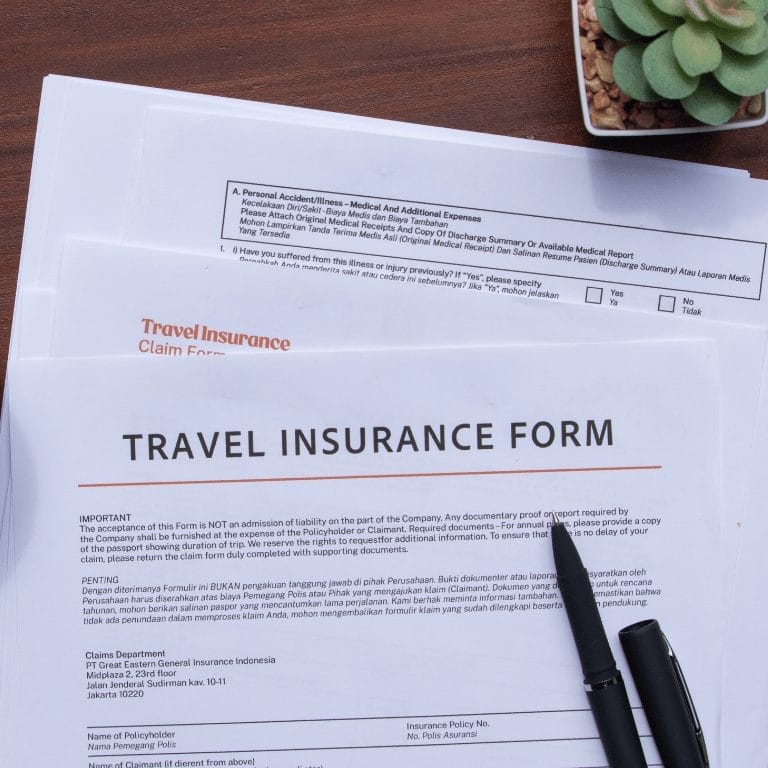
A family emergency, serious illness or other covered reason may force you to cancel your trip after you have already paid deposits. Travel insurance can reimburse non-refundable costs within the policy limits when cancellations fall under the stated conditions.
Delays and lost luggage create different problems. Airlines have duties towards passengers, but compensation and support are often limited. Insurance may offer fixed payments or refunds for essential replacement items if your bags are delayed or lost. This does not remove the stress, but it gives you practical help while you continue your journey.
SUMMARY: Cancellation, delay and baggage cover can return some costs and provide support when your travel plans are disrupted.
Activities and Excursions on Tour
Trips to Egypt, Jordan and Morocco often include optional activities such as desert drives, camel rides, boat trips, short hikes and, in some areas, hot-air balloon flights. Not all policies treat these in the same way. Some class certain excursions as standard, while others list them as higher risk and only cover them under specific terms.
It is worth checking how your policy handles the sorts of experiences you expect to join. If you plan to book balloon rides, desert activities or water-based trips, confirm that these appear within the list of covered activities. This step is more about avoiding confusion later than about buying a different product.
SUMMARY: Check that the policy you choose covers the types of excursions and activities you are likely to join on tour.
Older Travellers and Health Conditions
Older travellers and people with existing health conditions need to pay close attention when arranging travel insurance. Some policies include age limits, exclusions or special rules for ongoing conditions. Health guidance notes that older adults and those with chronic illnesses can face higher risks in hot or physically demanding environments.
Most insurers require you to declare any existing conditions when you take out a policy. Failing to do so can lead to rejected claims, even if the issue seems minor. It is usually better to answer all questions accurately and accept a slightly higher premium than travel with cover that would not support you in a real emergency.
SUMMARY: If you are older or have health conditions, make sure your policy clearly accepts and covers your situation.
How Travel Insurance Works with Guided Tours
Joining a guided tour often makes travel feel safer and more organised. However, a tour company is not an insurer. They can help rearrange hotels, transport and daily plans when problems arise, yet they cannot pay personal medical bills or refund independent costs such as your international flights.
Industry groups advise travellers to hold travel insurance even when booking package holidays or escorted tours.
The tour handles planning, local knowledge and support on the ground. Insurance sits in the background, protecting you from financial loss if something serious disrupts your plans or health.
SUMMARY: Tours provide structure and support, while travel insurance protects your own finances and medical needs if problems arise.

Choosing a Policy Without Overthinking It
Choosing travel insurance does not need to be complicated. Start with a few basics rather than every small detail. First, look at medical and emergency limits to check they feel adequate for private treatment and possible evacuation. Next, compare cancellation cover with the total cost of your flights, tour and hotels.
Then, confirm that all your destinations are listed and that the travel dates are correct. Review covered activities if you plan to join higher risk excursions. Finally, look at the policy excess. A very low price sometimes means a high excess if you claim. You do not need the perfect policy; you need one that clearly supports your main risks.
SUMMARY: Focus on medical limits, cancellation cover, destinations, activities and excess, rather than chasing the “perfect” insurance product.
How Timeless Tours Fits into the Picture
Timeless Tours plans itineraries, coordinates logistics and provides on-the-ground support across Egypt, Jordan and Morocco. The team designs routes, timing and experiences so you can spend more time enjoying the journey and less time worrying about daily arrangements. However, Timeless Tours does not sell or underwrite travel insurance, and cannot replace a personal policy.
Instead, tours and insurance work side by side. The tour offers guidance, structure and regional expertise. Your policy acts as a safety net if you face illness, cancellations or other setbacks. Many guests find that having both makes it easier to relax, knowing they are supported both practically and financially if something unexpected happens.
SUMMARY: Timeless Tours manages your trip on the ground, while your own travel insurance provides separate financial and medical protection.
Conclusion: Do You Really Need Travel Insurance?
Only you can decide whether to buy travel insurance, but it is important to understand what you are accepting if you travel without it. Medical care, emergency evacuation, cancellations and lost luggage can all carry significant costs when paid alone. A policy will not remove risk, yet it can soften the impact of events that might otherwise turn a memorable journey into a financial burden.
If you prefer to travel with confidence, combining suitable insurance with a carefully planned tour can make sense. Timeless Tours helps with the planning, guiding and day-to-day support, while your policy stands behind you if something serious goes wrong. That balance lets you focus less on “what if” and more on the experiences you came to enjoy in Egypt, Jordan and Morocco.
Explore Our Newest Travel Blogs & Tips


Pompey’s Pillar in Alexandria: Why the Name Is Wrong
Home Blog Pompey’s Pillar in Alexandria: Why the Name Is...

Aït Ben Haddou: What Travellers Should Know Before Visiting
Home Blog Aït Ben Haddou: What Travellers Should Know Before...

Volubilis: What Travellers Should Know Before Visiting
Home Blog Volubilis: What Travellers Should Know Before Visiting Many...